

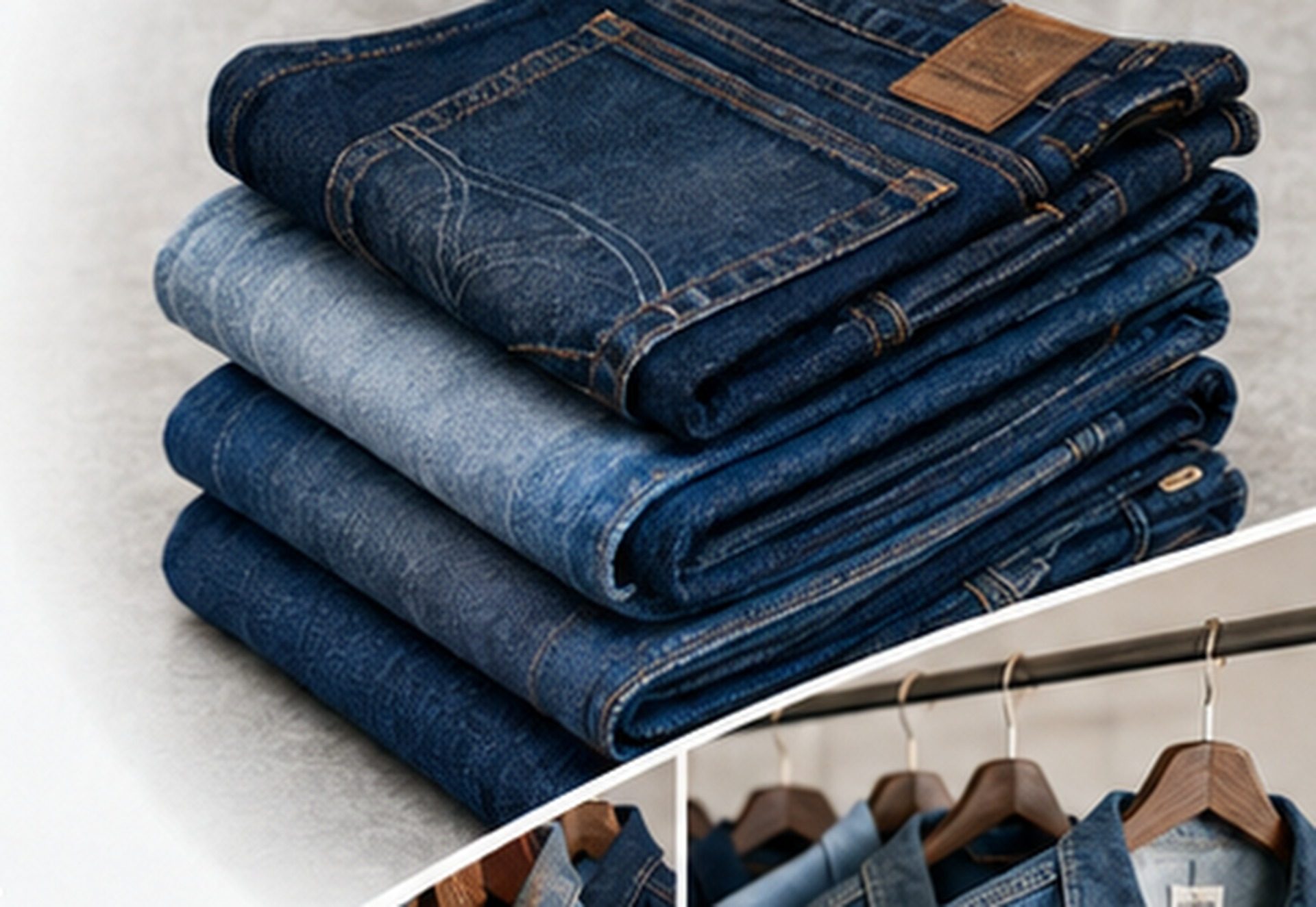
The wash range
- Rinse — minimal processing. Retains deep indigo and stiff hand. Cheapest and most repeatable.
- Stone — pumice abrasion. Softens hand and lifts shade unevenly for a worn look. Harder on the garment.
- Enzyme — cellulase softening without stone. More controllable and gentler on seams than stone.
- Bleach — chemical lightening. Wide shade range, but the least repeatable process without tight controls.
- Tint / overdye — casts the finished garment warm or grey. Used to differentiate a base fabric across a range.
- Whiskering & hand sand — manual abrasion at hip and knee. Labour-dependent, so consistency depends on the operator and a fixed template.
- Laser — digital abrasion. Highest repeatability of any distressing method and no water use, at a higher setup cost.
Repeatability
If you expect to reorder, weight your choice toward rinse, enzyme and laser. Bleach and heavy hand sand produce the most attractive samples and the most rejected repeat orders. We will flag it during development if your chosen finish is going to be difficult to hold across lots.
Frequently asked questions
Which wash is most consistent across repeat orders?
Rinse and enzyme, with laser the most consistent distressing method. Bleach and heavy manual abrasion vary most between lots.
Is a wash standard the same as a lab dip?
No. A lab dip approves a fabric shade; a wash standard approves the finished garment after processing. Denim needs both.